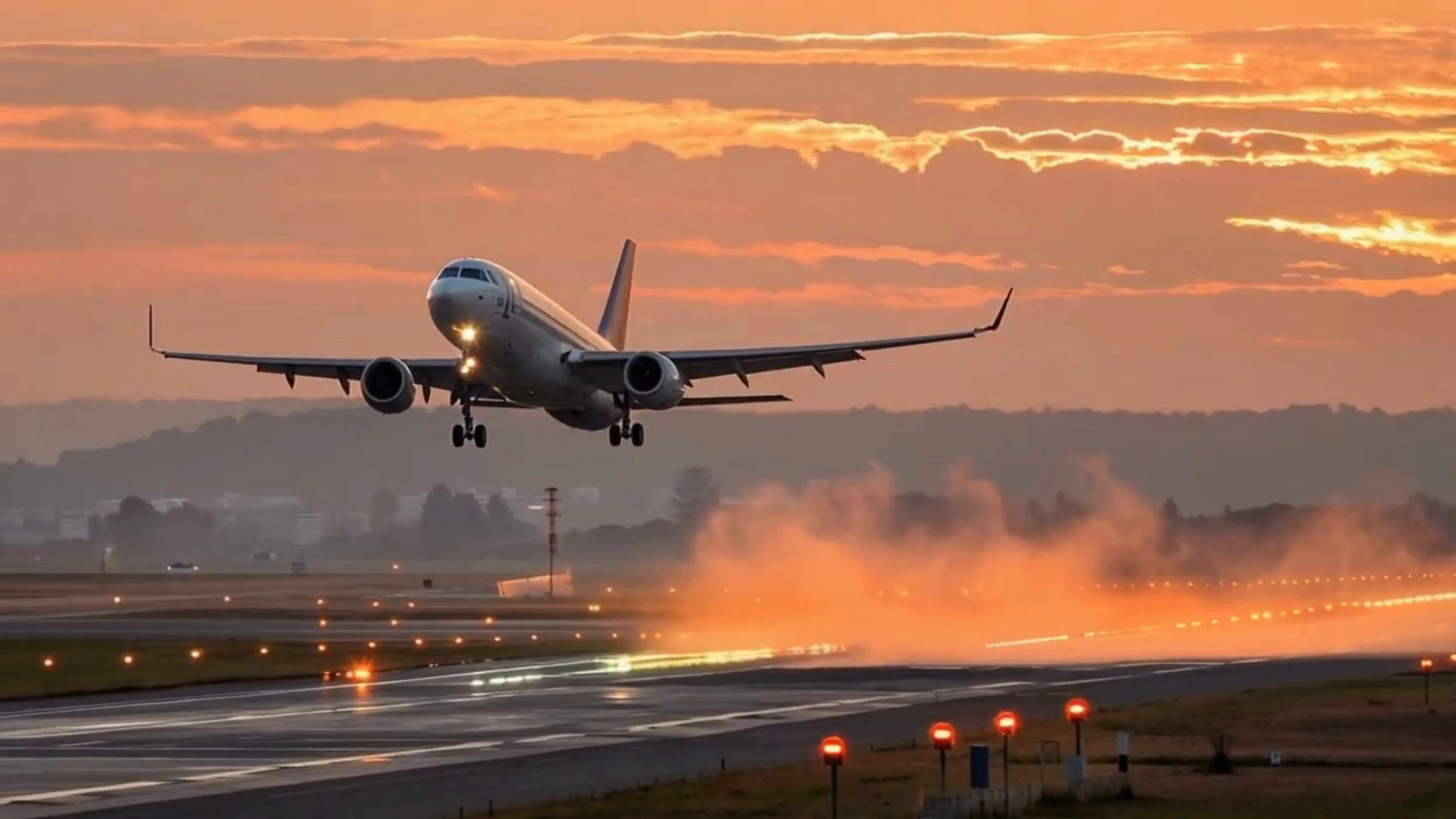
The live music and touring industry faced an unprecedented logistical bottleneck following a rare nationwide Federal Aviation Administration (FAA) ground stop. Triggered by a critical telecommunications and data network failure across regional Air Route Traffic Control Centers, the nearly five-hour airspace standstill grounded thousands of commercial departures, stranding touring artists, production crews, and festival-bound fans.
While government officials confirmed the incident was a mechanical communications outage rather than a security threat, the timing dealt an immediate blow to weekend tour routing across North America.
- The Incident: A core regional routing server and private communication network failure forced a sudden, nationwide halt on all departing U.S. flights.
- Duration & Scale: Over 11,000 scheduled flights were impacted, with more than 800 flights diverted or forced to return to their origin gates.
- Cross-Border Ripple Effects: Major Canadian aviation hubs connecting international artists to U.S. weekend dates faced severe cascading holds.
Stranded Crews and Touring Disruption
For live entertainment logistics—which operate on strict multi-city timelines—the ground stop created immediate crisis management for tour managers:
- Artists and DJs Stranded: Numerous touring DJs, indie acts, and support bands scheduled for Friday night club and arena sets found themselves locked on tarmacs or stuck in terminal queues. Notable touring acts—including rock band Hoobastank—turned grounded aircraft delays into viral moments, staging impromptu acoustic performances down the aisle for trapped passengers.
- Cross-Border Bottlenecks: International acts flying into major U.S. gateway airports faced severe entry and connection delays, forcing frantic schedule adjustments for weekend festival organizers and venue staff.
- Fan Travel Chaos: With thousands of ticket holders stranded at hubs like Chicago O'Hare, Atlanta Hartsfield-Jackson, and New York JFK, weekend venue attendance saw localized dips as fans scrambled to secure alternative ground transport or faced outright flight cancellations.
"The infrastructure is overloaded and outdated," noted transportation officials during emergency briefings, highlighting how vulnerabilities in legacy national airspace networks directly threaten tight commercial touring schedules.
As the FAA cleared the airspace to resume normal operations over the weekend, touring agencies and production teams spent hours working through displaced crews and delayed equipment cargo. It stands as a stark reminder of how vulnerable modern live touring is to sudden national transit disruptions.