


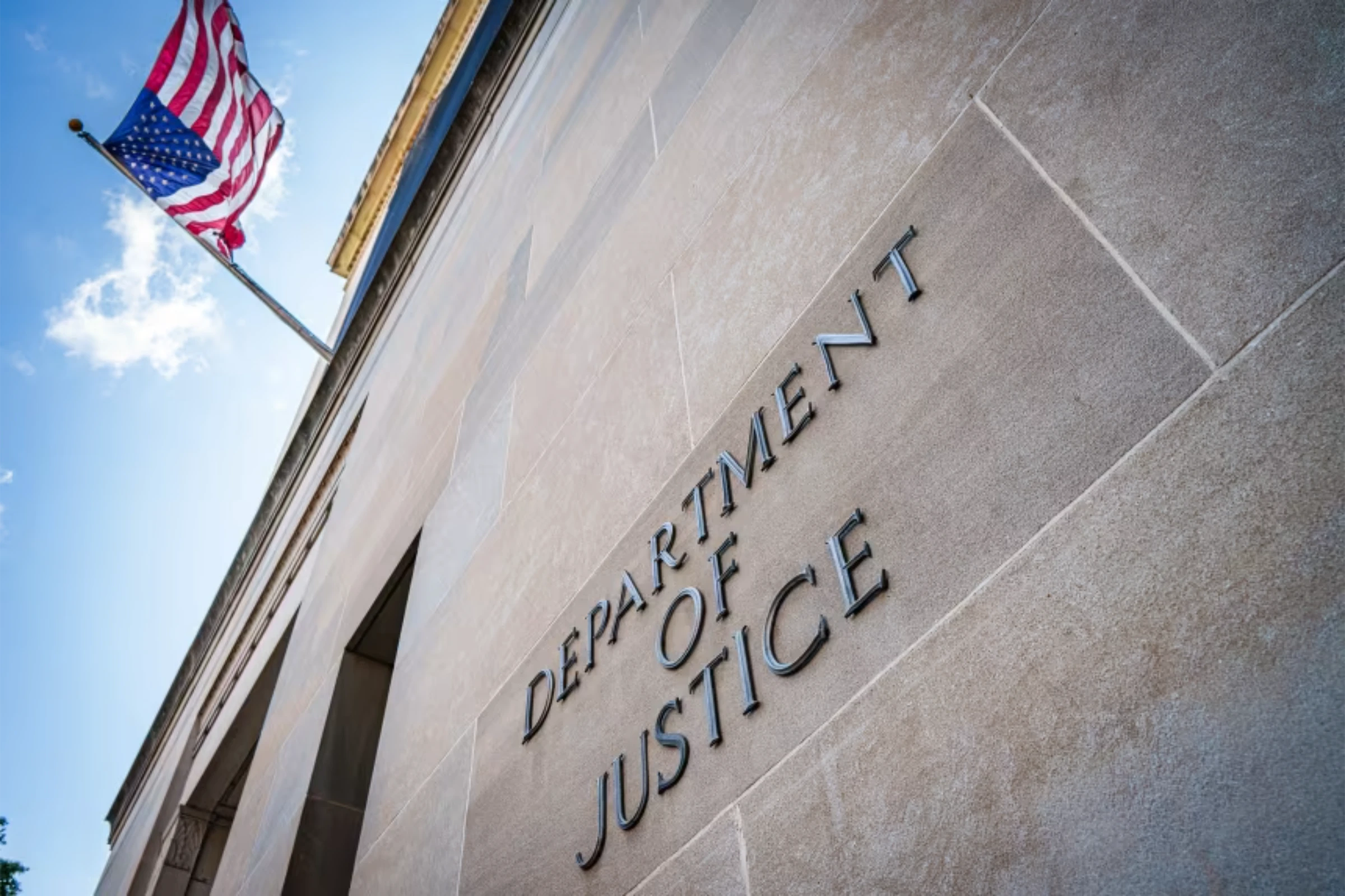
The music industry is mounting a unified legal and political pushback against the U.S. Department of Justice following a landmark legal brief that threatens to undercut active copyright litigation against generative AI platforms.
In a 20-page Statement of Interest signed by Associate Attorney General Stanley Woodward and filed in federal court, the DOJ formally asserted that using copyrighted works to train artificial intelligence models is "extraordinarily transformative" and qualifies as protected fair use under U.S. copyright law.
The government’s position directly collides with ongoing federal lawsuits led by the Recording Industry Association of America (RIAA), National Music Publishers' Association (NMPA), and major music groups against generative music platforms including Suno and Udio.
The Core Contradiction: Output Creation vs. Massive Training Data
At the heart of the music industry's opposition is a fundamental legal conflict over how generative music models function. The DOJ's argument draws a strict line between the internal training process and a model's commercial outputs, contending that digesting audio data to teach an AI system does not, on its own, constitute market substitution.
Music rights holders argue that this framework completely ignores how AI audio generators operate in practice:
- Direct Market Dilution: Unlike text-based large language models, AI music generators ingest mastered sound recordings and musical compositions to output direct substitutes—allowing users to generate infinite, royalty-free tracks that directly compete with the human artists whose catalogs trained the systems.
- The "Output vs. Ingestion" Fallacy: Industry legal teams maintain that training an AI on millions of copyrighted tracks cannot be separated from the resulting outputs, as the platform's primary commercial value stems entirely from the underlying expression stolen from original sound recordings.
- Threat to Ongoing Litigation: The DOJ's filing arrives as federal judges oversee high-stakes discovery and summary judgment motions in active suits filed by Universal Music Group, Sony Music, and independent labels against platforms like Suno.
A Threat to Emerging Voluntary Licensing Models
The music industry’s pushback also highlights the economic danger the DOJ's stance poses to voluntary licensing deals. Over the past year, major and independent labels have aggressively negotiated opt-in, revenue-sharing partnerships and pre-cleared dataset agreements with ethical AI developers.
By suggesting that AI developers should enjoy broad, royalty-free access under fair use, rights organizations warn that the Justice Department is dismantling the economic incentive for tech companies to negotiate paid, licensed partnerships with creators.
"The administration’s proposal to let tech firms take content without permission or compensation fundamentally undermines the sustainability of human-created music," music rights coalitions noted in joint responses following the filing. "Giving commercial AI platforms a free pass under the guise of 'fair use' strips artists of their property rights and destabilizes the entire creative economy."
While the DOJ's brief serves as advisory guidance rather than a binding judicial order, trade groups and publishing leaders are preparing formal amicus briefs to reinforce that fair use must be evaluated on a strict case-by-case basis.

.webp)
