There is a distinct language to modern reality television scores. For five seasons, Amazon Prime Video’s Clarkson’s Farm has relied on a highly specific acoustic palette to map out life at Diddly Squat—bucolic folk melodies, cheerful acoustic guitar plucks, and whimsical orchestral swells that perfectly mirror the chaotic, lighthearted nature of British agricultural life.
But on the evening of Wednesday, June 17, 2026, the music completely stopped.
The two-part finale of Season 5 didn't just deliver a narrative shockwave; it delivered a masterclass in how television architects use sonic shifts to handle real-world human trauma. In a moment that has completely hijacked the global entertainment timeline, television mogul Jeremy Clarkson, 66, revealed he is battling an aggressive form of prostate cancer. And the way the series chose to soundtrack his vulnerability marks a profound shift in how we consume the private crises of our most boisterous public figures.
Silencing the Diddly Squat Symphony
Throughout the first half of Season 5, viewers were treated to the classic Clarkson's Farm audio experience—even when the show ventured into commercial music territory, such as soundtracking a high-octane live gig by one of Ireland's biggest bands at Clarkson's newly opened pub, The Farmer's Dog.
However, halfway through Episode 7, during a routine production scene mapping out the upcoming harvest with farm manager Kaleb Cooper and land agent Charlie Ireland, the upbeat background tracking was entirely stripped away. In a quiet, unadorned room, Clarkson delivered three words that instantly altered the show's DNA: "I've got cancer." The production team made the deliberate, artistic choice to leave the sequence entirely un-scored. There were no manipulative string arrangements or dramatic reality-TV bass drops. Instead, audiences were forced to sit with the stark, ambient quiet of the room—the catching of breath, the rustle of clothing, and the heavy, emotional weight of a diagnosis that Clarkson had quietly been carrying since May.
The Intersecting Worlds of Media and Music Education
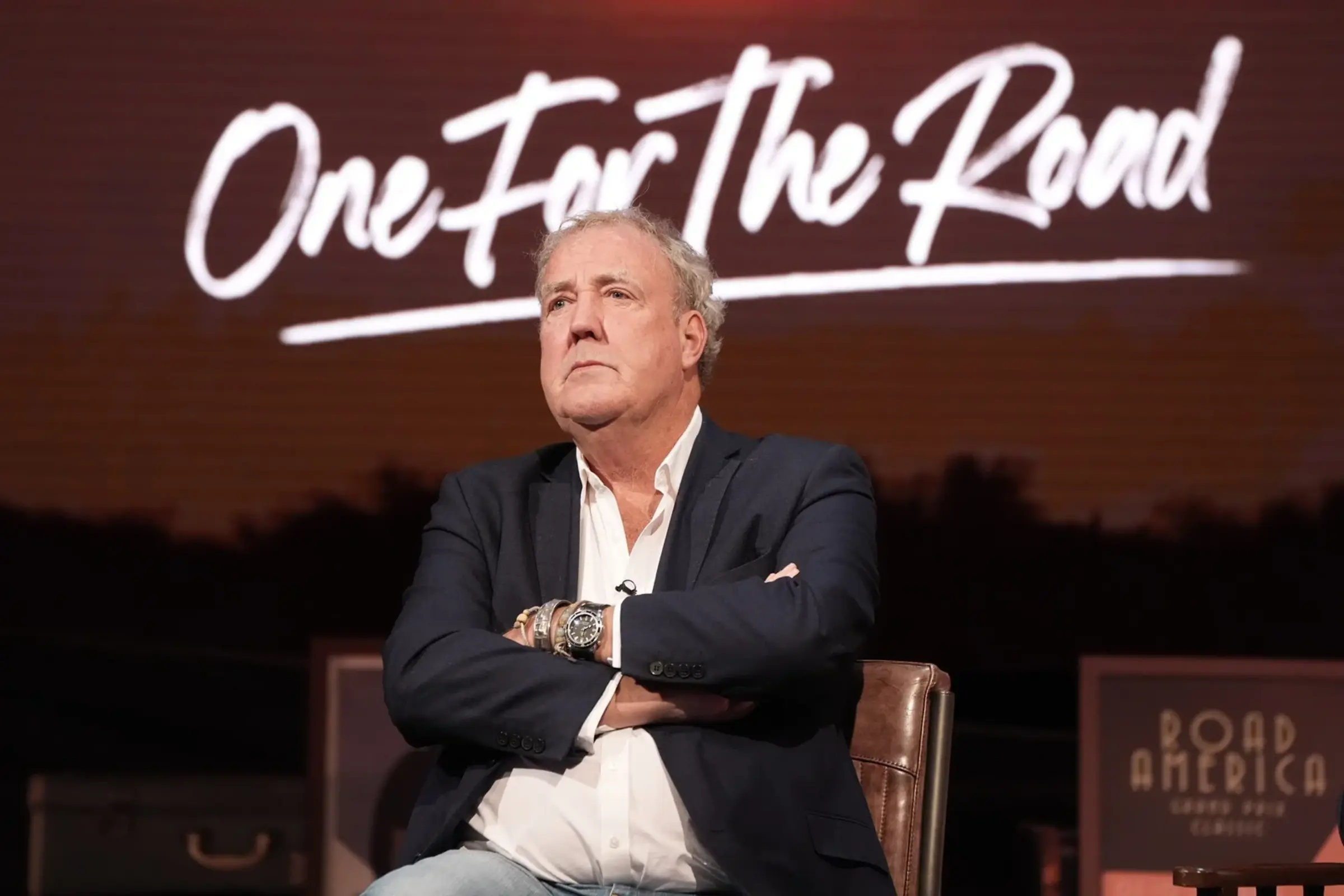
For those within the UK music ecosystem, the somber diagnosis lands just weeks after Clarkson made a highly publicized appearance in the center of the live music community. On May 19, 2026, Clarkson was photographed attending the Other Songs Live gala at the Palladium Theatre in London.
The star-studded event, held in direct partnership with the prestigious BRIT School—the legendary launchpad that produced global icons like Adele, Amy Winehouse, and K-pop collaborator Jennie—saw Clarkson actively supporting young, emerging musical and technical talent. To industry insiders, his presence at the gala highlighted a softer, deeply supportive undercurrent to a media figure who has spent decades cultivating a brash, controversial, and loud public persona. Knowing now that he attended that celebration of young musical life just days after undergoing a biopsy underscores the quiet resilience he was maintaining behind the scenes.
A Hospital Bed and an Uncertain Score
The true emotional peak of the finale arrived in the final frames of Episode 8. Mirroring the season's opening sequence—which tracked his recovery from a serious coronary artery operation—the series concluded with an ambulance arriving at the farm.
We cut to Clarkson back in a hospital bed, explaining directly to the camera that his initial prostate cancer treatments had "gone a bit awry." As a haunting, minimal ambient tone began to bleed into the mix, Clarkson delivered an uncharacteristically tender sign-off to his millions of global viewers:
“If this is all successful, I’ll see you for season six. And if it isn’t, I won’t. Take care, everyone.”
By utilizing an austere, stripped-back audio landscape, Clarkson’s Farm managed to elevate a devastating medical update into a moment of pure, unfiltered artistic dignity. As the entertainment and music communities unite to send an outpouring of support to Diddly Squat, the finale stands as a stark reminder that sometimes the most powerful note a piece of media can strike is the choice to let reality speak entirely for itself.